Hormuz Is Reopening. The Tanker Trade That Made 120% Is Entering Its Last Phase.
The Strait of Hormuz is closed. It has been since late February, when Iranian forces declared the passage shut following U.S. and Israeli military operations in Iran. Roughly 20% of the world's oil passes through that narrow chokepoint, and when it closed, the market moved like it was supposed to - oil spiked toward $144.5/b in April, tanker freight rates broke all-time records, and shipping stocks that nobody was talking about six months earlier became the highest-conviction trade of the year.
But then something the narratives haven't caught up with: the market has already started unwinding the trade. A ceasefire deal announced on June 11 included a 30-day Hormuz reopening timeline tied to phased sanctions relief. Brent crude has fallen more than 25% from its early-June level of $101.36 per barrel to around $83.88. Frontline - the pure-play tanker leader - has its Q2 VLCC bookings at $181,700 per day, a 57% drop from the $423,736/day peak in March. The "huge rewiring" is being rewritten before it's finished being written.
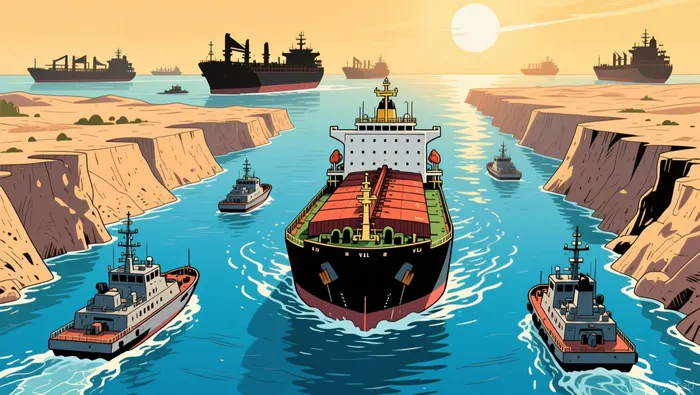
The question isn't whether Hormuz disrupted trade. The question is whether the stocks that rode the disruption to new highs still have the factor stack to justify their prices once the strait reopens. Let's check the data.
Frontline (FRO): The growth grade is shifting from A to B+
Frontline is up roughly 72% year-to-date and up 121% over the past 12 months. It reported Q1 2026 results in May: $559.1 million in net income, $714.2 million in revenue, its strongest quarter since 2004. Growth factor grade: A, driven by a disruption that was supposed to be temporary.
