BOJ's 2.1 Trillion Yen Crossroads: Why a Taper Pause Could Shake JGB Yields Now
The key decision is the BOJ's post-March 2027 taper path, not the immediate move
Next week's meeting matters because the BOJ has to signal what comes after the current taper plan expires. Reuters says no change is expected to the existing taper plan, and the bank is also set to lay out a new roadmap for fiscal 2027 and beyond. So the real question is not the immediate move. It is whether the BOJ keeps reducing bond demand or slows that pressure.
The scale at stake is large. The BOJ is still buying about 6 trillion yen of bonds each month. Its current roadmap trims that pace by 400 billion yen each quarter. Investors are focused on whether the bank then settles near roughly 2.1 trillion yen per month once the current plan runs out.
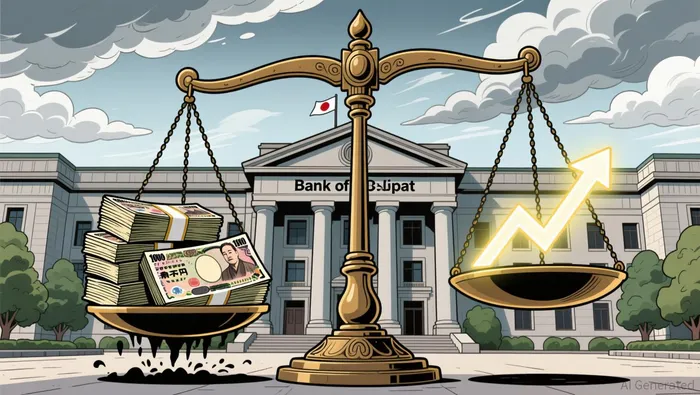
That is where the policy debate sits. A softer post-2027 message could ease pressure on JGB yields, while a firmer normalization path would push more bond demand onto private buyers. Reuters says the board is split between those who want to soothe investor nerves and those who favor steadier balance-sheet reduction. That split is what makes the forward guidance more important than the headline move.
Why a taper pause is becoming a live option
A pause is no longer just a market whisper. It looks more plausible because the BOJ is operating in a sensitive bond market while still carrying a massive portfolio.
The BOJ remains a dominant holder in JGBs
The BOJ still holds nearly $5 trillion on its balance sheet through JGB purchases. That makes it far from a marginal participant. When a central bank is that large, even a gradual shift away from support can change market psychology quickly.
A taper cut and a pause are not the same thing. A taper cut asks the market to absorb more bonds over time. A pause keeps existing BOJ demand steady for another stretch. For investors, that mechanical difference matters because it determines how much support is gradually withdrawn and how quickly.
Volatility strengthens the case for caution
Reuters reports that bond market volatility is boosting the case for a pause beyond the current plan, with sources saying there is no need to rush while markets remain jittery. That matters because a sharp rise in long yields would not just create market stress; it could also tighten financial conditions before the economy has fully stabilized on its own.
The BOJ itself has warned that the backdrop has become increasingly complex, after tariffs and other shocks disrupted the path it had expected. In that setting, pushing harder on bond demand could backfire.
Fiscal pressure may reinforce the bias toward a slower pace
A pause could also ease pressure linked to rising yields. Reuters notes the pause case could give Prime Minister Sanae Takaichi some relief amid growing investor concern over her spending plans. The BOJ is unlikely to frame policy that way, but higher JGB yields would still make fiscal support harder to accommodate.
That does not mean the BOJ is abandoning normalization. Its earlier roadmap still pointed to about 3 trillion yen in January-March 2026, with cuts of about 400 billion yen per quarter. But recent market feedback points to calls for a gentler path, including requests for 4 trillion yen per month or smaller initial cuts.
The bigger risk may not be that the BOJ stops normalizing altogether. It is that a pause comes later than markets expect, leaving those who bet on softer guidance exposed.
What to watch in the BOJ's guidance
Next week matters less for the rate move itself than for the forward path the BOJ attaches to its taper plan.
What is already fairly clear
Investors do not need to treat the entire meeting as a mystery. Focus on separating the expected rate path from the less expected taper message. If the BOJ makes the routine move but says little new about post-current-plan bond purchases, duration traders may have limited guidance.
The signal that matters most
The useful question is whether the bank keeps cutting bond purchases after the current plan expires or slows that process. Reuters says the board is split between advocates of a pause and advocates of steady normalization, and that no change is expected to the existing taper plan for now. That makes the wording after the meeting the real trigger.
For bond investors, the key is whether the BOJ leaves room for a pause after the current roadmap. For the yen, a softer taper signal could reduce the odds of a sharp yield jump. For equities, the message matters through financing conditions: a pause keeps more support in place, while continuation tells the market to prepare for tighter conditions.
What would change the story
The outlook changes if the BOJ does either of two things: signal a pause after the current plan expires, or move faster on taper than expected. The first would likely ease pressure on JGB yields. The second would signal a quicker drop in BOJ demand and could pressure bonds, the yen, and rate-sensitive assets.