Japan's 158 Yen Trap: Tokyo Likes Weak-Yen Tourism, but Won't Back a One-Sided Slide
Why 158 Yen Matters More Than the Headlines
158.62 yen marks the zone where warnings turn serious
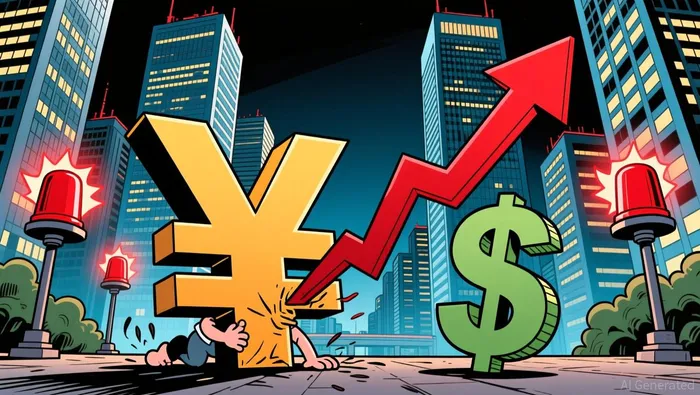
Around 158.62 yen to the dollar, yen weakness stops being background noise. Tokyo can live with a softer yen when it helps inbound tourism. It is much less forgiving of a "somewhat rapid and one-sided" slide that raises import costs and destabilizes markets. That appears to be the boundary being tested now.
What matters is the escalation in official tone. In late June, the Finance Minister said authorities were "deeply concerned" after the yen slid to a 38-year low. By mid-July, Chief Cabinet Secretary Yoshimasa Hayashi said Tokyo would stand ready to take all possible measures in the currency market. The message is clear: Tokyo tolerates a weak yen when it is useful, but it is watching rapid, one-sided depreciation much more closely.
What the Evidence Actually Says About Policy Limits
The signals are specific, but they do not prove a fixed intervention line
The core point is straightforward: Japanese officials have grown increasingly forceful as the yen weakened. But the evidence supports a narrower conclusion than traders sometimes assume. The cited sources show official concern, verbal warnings, and suspected intervention activity around 158-160 yen. They do not establish a precise, universally binding threshold.
Similarly, while a weaker yen can help inbound tourism, the cited materials do not say Japan's government actively targets a softer yen for that purpose. They do show that policymakers see tourism benefits from weaker currency, while still warning against excessive moves.
For traders, the risk is timing. By mid-July, the dollar was already at 158.62 yen, and officials were warning that excessive volatility is undesirable. Earlier, authorities had warned they would take steps as needed against excessive, one-sided currency moves. That combination suggests the window for comfortable one-way positioning is narrow.
If the yen keeps moving in a single direction, officials may start with verbal pressure. If the pace or market impact worsens, the response could become more forceful. The key point is not that intervention is certain, but that the risk of a sharp policy response rises quickly once the currency reaches this zone.