US-Iran Geneva Talks Collapsed-But Oil Already Fell. That Split Is the Real Signal
Oil priced relief before the Geneva ceremony was cancelled
The bigger story is not that Friday's talks were called off. It is that oil had already sold off as if a deal were effectively underway. Brent fell 4.02% on June 15 after reports emerged that Washington and Tehran had reached a framework, then fell in early trading on Thursday after the memorandum, with Brent around $78.66 a barrel. The White House then said Vance pulled out of Friday's trip to begin talks on implementing an agreement struck between Tehran and Washington.
Why the market moved before the paperwork was final
Markets often price the upside case before verification. In this situation, the relief thesis was straightforward: reopen the Strait of Hormuz, restore flow, and reduce the war premium. That leaves room for a procedural reading of the collapse: if an accord was already struck and the cancelled trip was meant to launch implementation, the headline break may matter less than the underlying shift in expectations.
Still, that is also how early peace trades can get misleading. If traders are already discounting the return of Iranian barrels and a reopened chokepoint before implementation is clear, part of the upside may be spent too soon.
Flow is starting to matter more than the headline
A broken headline does not automatically bring back full war pricing when the market is still waiting on enforcement, not just announcements.
Tanker movement is the first practical test
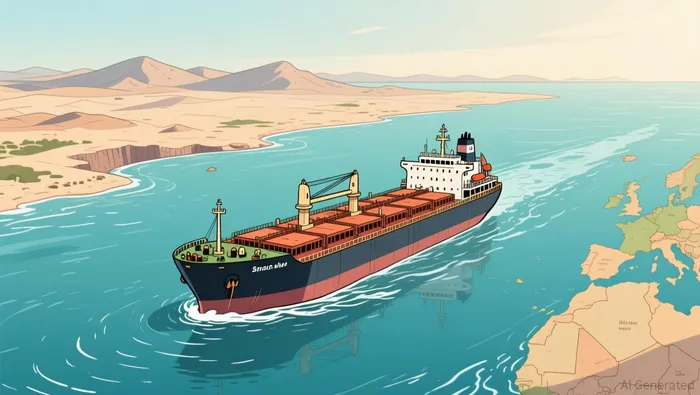
The first sign came from physical trade, not press releases. Hours after the memorandum was signed, three Saudi supertankers carrying 6 million barrels of crude transited the Strait of Hormuz. Tanker operators do not move payloads like that lightly, so the transit matters as an early behavioral signal.
But the agreement still has a credibility gap. The White House says Vance pulled out to begin implementing an agreement struck between Tehran and Washington, while Iran says the next step only begins after billions in frozen funds are released. That disagreement matters because the deal depends on trust and sequence, not just signatures.
Why the risk premium may not simply revert
These talks were not superficial. The latest round was described as the most intense so far, suggesting both sides had already done substantial work mapping the trade-offs. That does not guarantee success, but it does weaken the idea that nothing meaningful was agreed.
The region also remains fragile. Earlier this month, fighting spread to Kuwait and Bahrain, a reminder that the theater is still dangerous. That keeps a floor under risk sensitivity, even if it does not mean the Strait of Hormuz has returned to the same disruption regime that drove earlier war pricing.
What matters next: traffic, trust, and escalation
The market is no longer waiting for lawyers to settle the narrative. Oil already sold off after the memorandum promised toll-free passage through the Strait of Hormuz, and the first concrete confirmation came from behavior, not rhetoric: three Saudi supertankers carried crude through the strait, while other vessels began broadcasting their positions and preparing to transit.
The implementation details are still unsettled. The White House says Vance cancelled Friday's trip to start work on an agreement struck between Tehran and Washington, but Iran says the next step is billions in frozen funds are released, a sequencing claim Washington has pushed back on. That gap means the early relief trade can still unwind in two very different directions: toward a genuine reopening, or toward another false dawn.
Signals that would weaken the peace trade
- Slower Hormuz traffic: the early supertanker passages reverse and ships start concealing positions again.
- Commercial hesitation: market participants stop treating the memorandum as operative and refuse to underwrite normalization before safety and access are clearer.
- Fresh escalation:new strikes against Iran or other violence show the ceasefire framework is still fragile.
- Implementation stall: the dispute over frozen funds hardens into a standoff and the planned next steps effectively freeze.
If those signals strengthen, the post-headline selloff may prove to be false normalization rather than a clean peace dividend. If they do not, the market may have been early, and late sellers could face pressure as flow catches up with expectations.