GBP/USD at 1.3514: The Oil-Fueled Dollar Surge vs. Warsh’s Policy Signal Setup
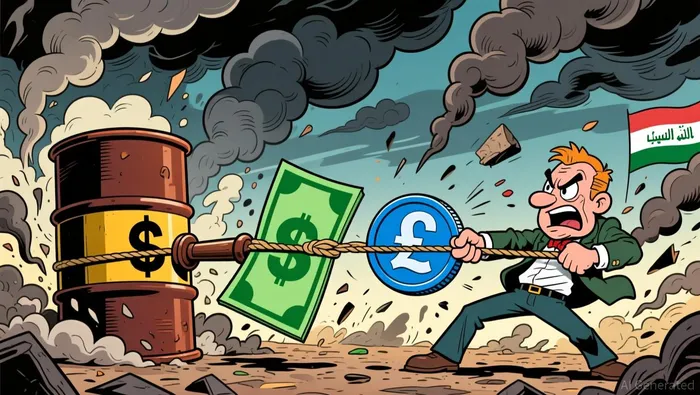
GBP/USD is stuck at 1.3514, down sharply from its 2026 high of 1.3867. The trap is set: a stronger dollar is the primary driver, fueled by Middle East tensions and soaring oil prices. But here's the twist-softer-than-expected U.S. PPI data initially supported a dovish Fed narrative. That's the alpha leak: geopolitical risk is pushing the dollar higher, while inflation data is trying to pull it lower. The battle lines are drawn.
The Breakdown: Geopolitics, Oil, and the Fed Signal
The pair is caught in a three-way tug-of-war. Let's cut through the noise and isolate the real signals.
Geopolitics & Oil: The Supply Shock That's Fueling the Dollar This is the dominant, immediate force. Failed U.S.-Iran peace talks have triggered a concrete action: a U.S. naval blockade on Iranian exports. The market's reaction is direct and powerful. This blockade is expected to tighten global supply and lift energy costs. The result? Oil prices have jumped more than 35% since the U.S.-Israeli war with Iran started at the end of February. That surge in energy costs is the primary driver behind the dollar's strength, directly pressuring the pound. It's a classic safe-haven and risk-off dynamic where Middle East instability supports the greenback.
The Fed Catalyst: Warsh's Hearing on Tuesday The key near-term event for policy expectations is here. Kevin Warsh will face the Senate Banking Committee at 10 a.m. ET on Tuesday for his confirmation hearing. The focus is critical: questions will center on the boundaries between the Fed's decision-making and politics, especially given the current administration's history of pressuring the central bank. Warsh's stance on Fed independence will be scrutinized as a signal for future rate path discipline. This is the event that could shift the narrative from geopolitical-driven dollar strength to a Fed policy pivot.
The Contrarian Trap: Sticky Inflation Hiding in the Data Here's the twist that creates the alpha leak. The March PPI report showed a headline rise of 0.5%, which was a relief against expectations. But look under the hood. The core PPI, which excludes volatile food and energy, came in at a mere 0.1%. The entire headline gain was driven by a sharp 8.5% spike in energy costs. This is the trap. It creates a "sticky" inflation risk: if oil prices remain elevated, they can directly push up producer prices and, eventually, consumer prices, limiting the Fed's room to cut rates aggressively. The data initially looked dovish, but the energy component tells a different, more hawkish story.
The bottom line: Geopolitics is the fuel, the Fed hearing is the spark, and the PPI's hidden energy spike is the fuse. Watch which force wins.
Contrarian Take: The Oil Inflation Trap
The simple "soft data = dovish Fed" narrative is a trap. The March PPI report showed a headline rise of 0.5%, which looked like a relief. But the core reading tells the real story: core PPI came in at a mere 0.1%. The entire headline gain was driven by a sharp 8.5% spike in energy costs. That's the alpha leak in the data itself.
This creates a dangerous lag for the pound. The dollar's strength is now anchored by oil prices, not just geopolitical risk appetite. As long as energy costs remain elevated, they act as a persistent inflationary pressure that can feed through to the broader economy. The pound's weakness may be a lagging indicator, as a stronger dollar due to oil inflation could pressure GBP further even if U.S. core PPI remains low.
The policy dilemma is clear. The Fed must balance cooling core inflation against rising energy-driven headline inflation. Officials have noted that energy shocks "tend to come and go," but the market is now pricing in a risk that prolonged energy price strength could delay any easing cycle. This creates a policy anchor for the dollar: it's not just about risk-off flows, but about inflation expectations that are now firmly linked to oil.
The bottom line: the dollar's support is now more durable. It's not just a flight to safety; it's a hedge against energy-driven inflation. This makes a broad, sustained dollar decline less likely, keeping the pressure on GBP/USD. Watch the oil chart, not just the PPI headline.
Watchlist & Key Levels
The setup is clear. The dollar's strength is anchored by oil and geopolitics, but the Fed's policy path is the wildcard. Here's your tactical framework for the next 48 hours.
Watch: The Iran Talks & Oil Price Action The primary driver is in flux. U.S.-Iran peace talks are preparing for a second round ahead of a two-week ceasefire deadline, which could ease tensions and pressure oil lower. But the immediate catalyst is the naval blockade on Iranian exports that has already tightened supply and lifted energy costs. Watch oil prices like a hawk. A sustained break above $90 could reignite the dollar rally and pressure GBP further. The resolution of these talks is the single biggest near-term variable.
Watch: Warsh's Hearing on Tuesday The Fed policy narrative hinges on this event. Kevin Warsh will face the Senate Banking Committee at 10 a.m. ET on Tuesday. The focus is on Fed independence, a critical issue given the administration's history of pressuring the central bank. His stance will be a direct signal on whether future rate cuts will be disciplined or politically influenced. A hawkish or independence-focused Warsh could support the dollar; a dovish or ambiguous one could spark a relief rally in risk assets, including the pound.
Key Levels: The 1.3400-1.3450 Zone The technical battle is now. The pair is at 1.3514, down from its 2026 high of 1.3867. The immediate support is the 1.3400-1.3450 range. A decisive break below this zone would confirm the bearish momentum from the naval blockade and failed talks, opening the path to the 2026 low near 1.316. Hold above it, and the pair could find a base near the 1.3500 psychological level. This is the critical zone to watch for both breakout and breakdown signals.
The bottom line: The alpha leak is real, but the trap is tightening. Watch oil, listen to Warsh, and respect the 1.3450 support.