$TRUMP's Liquidity Trap: A Flow Analysis of a Failing Pump
The core financial narrative is one of catastrophic distribution. The token has fallen 96% from its peak, trading near $2.59 as of Saturday. This collapse defines the current setup: a parabolic pump followed by a brutal, sustained sell-off that has erased most paper gains for retail buyers.
The mechanics of distribution are now on full display. The Mar-a-Lago gala is explicitly structured for the top 297 holders, a reward system for early, concentrated accumulation. The event, billed as the "most exclusive" crypto conference, offers a keynote from President Trump and a VIP reception for the top 29. This is a classic pump-and-dump playbook, using presidential stature to create artificial scarcity and FOMO for a select few.
Yet the price action shows a complete disconnect. Despite the high-profile event, the token fell 14% in 24 hours. The flow of capital is not toward the token; it is fleeing it. The event generated $1.35 billion in trading volume during its eligibility period, but that volume appears to have been dominated by distribution from the top wallets, not new buying. The price drop confirms the rally lacked conviction, and the event failed to reverse the downtrend.
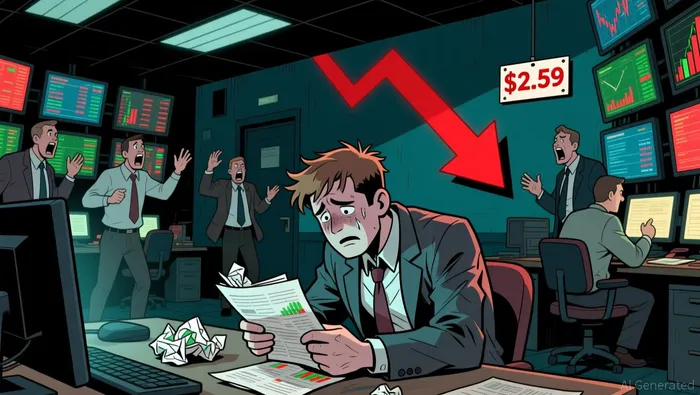
The Flow of Value and Holder Concentration
The money flow to the Trump family is staggering and direct. They have earned over $1 billion from crypto ventures, with at least $336 million tied to meme-coin sales in the first half of 2025. This revenue stream is a clear, quantifiable benefit from the very asset they are promoting. The ethical risk is not hypothetical; it is the documented flow of capital from speculative trading into their personal trust.
The market structure itself is a red flag. The token's market cap is dwarfed by its Fully Diluted Valuation (FDV). This massive gap indicates a colossal supply of tokens is not yet in circulation, creating a potential overhang. For every token sold to retail, a far larger number remains locked or unissued, a classic setup for future dilution and price pressure once those tokens enter the market.
The event is a pay-to-play scheme that rewards early whales. The top 297 holders are promised a luncheon with Trump and the top 29 a special reception with Trump. Critics call this a conflict of interest and a pay-to-play ploy. The flow of value here is not toward the token's utility; it is toward the financial gain of early, concentrated holders who bought in before the collapse. The event is a vehicle for extracting value from the community it was built to serve.
Catalysts and What to Watch
The immediate signal to watch is any significant increase in trading volume at the current price level. The token has shown recent momentum, with a 15.55% gain in 24 hours and a move back above recent consolidation. However, this rally lacks the conviction of a true reversal. A sustained breakout would require volume to confirm the move, indicating new buying pressure rather than just short-term speculation. Without that flow, the price remains vulnerable to further distribution.
Regulatory scrutiny is a looming overhang. The event itself is drawing criticism, with Democratic leaders calling for investigations into the Trump family's crypto profits and the ethics of the pay-to-play gala. This political pressure could escalate, creating a new source of volatility. Any formal probe or negative headlines would likely trigger a flight of capital, as the risk of policy intervention or reputational damage increases.
The token's integration into the 'Trump Billionaires Club' game is a potential new utility driver, but it is unproven. The game is designed to be a core use case for the token, creating demand for in-game purchases and event access. However, the game's ability to generate meaningful, sustained liquidity and trading volume is not yet demonstrated. For now, it remains a speculative feature, not a proven catalyst to reverse the token's catastrophic price action.