JPMorgan Warns Bond Traders Overbetting on Iran Ceasefire Calm as Volatility Unwind Looms
The market's immediate reaction to the Iran ceasefire announcement was a textbook repricing event. With the threat of a major oil supply disruption lifted, investors rushed to buy U.S. bonds, sending the 10-year Treasury yield down sharply to 4.301%. Energy prices followed suit, with West Texas Intermediate crude futures tumbling more than 16% in a single session. This relief rally provided a temporary boost to expectations for Federal Reserve policy, with year-end cut odds jumping from 14% to above 43%.
Yet this move is best viewed as a volatile transition, not a new trend. The bond market's underlying cycle remains defined by high inflation and elevated debt, which the ceasefire did nothing to resolve. In fact, the repricing episode itself is a sign of heightened uncertainty. The MOVE index, a key gauge of bond market volatility, has surged to around 98, well above its 20-year average. This spike signals that the market is still in a state of major repricing, where rapid shifts in sentiment can quickly reverse any gains.
The bottom line is that geopolitical relief is a short-term catalyst, not a cure. The rally in bonds and the pop in oil prices are a direct response to reduced supply risk, but they do not alter the longer-term macro backdrop of persistent inflation and fiscal strain. As the evidence notes, the bond market is effectively saying the margin for policy errors is shrinking. Until there is clearer progress on inflation and debt sustainability, this episode of volatility will likely continue to define the trading environment.
The Sell Signal Checklist: What Traders Are Watching
The market's recent whipsaw has traders on high alert, forcing them to build a checklist of specific risks before they commit to a new trend. The primary sell signal hinges on the durability of the geopolitical calm. The ceasefire tied to the reopening of the Strait of Hormuz is the catalyst for the recent rally, but its long-term stability remains uncertain. Renewed hostilities elsewhere in the region have raised doubts, and the market is effectively pricing in a fragile peace. Any breakdown in these negotiations would instantly reverse the oil and bond market gains, making the ceasefire's longevity the first item on any trader's watchlist.
The key data sell signal is the upcoming April inflation report. The March CPI spike of 0.9% from February was a stark warning that the Iran war's inflationary impact is real and not easily dismissed. Traders are now waiting for the April data to see if that surge was a one-off or the start of a new trend. As one strategist noted, the March report "will not support bond prices as next month's inflation report will reveal more headaches." A repeat of that monthly jump would crush any remaining hopes for a near-term Fed pivot and force Treasury yields higher.
Finally, there is a positioning sell signal in the market's own behavior. Traders are building large wagers that bond market volatility will keep falling, a bet that JPMorgan warns is potentially overdone. This short-volatility positioning is concentrated in structures like straddles and strangles, betting on a narrow, stable range for yields. Yet the analysts highlight "continued two-sided risks to both inflation and the job market," plus the inherent fragility of the ceasefire. Such a crowded bet leaves the market vulnerable to a sudden shock, where a quick unwind of these positions could amplify price moves in either direction.
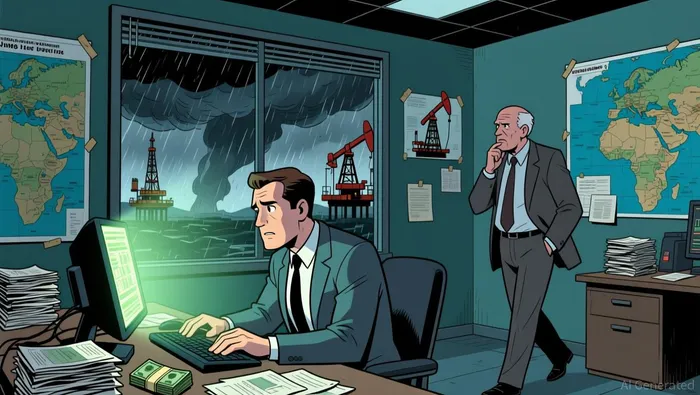
In essence, traders are navigating a volatile transition by watching three things: the geopolitical ceasefire's durability, the next inflation print, and the crowded bet on calm. Until these signals align, the market's range-bound trading is likely to remain a setup for more turbulence.
The Macro Cycle Context: Inflation, Debt, and Growth
The sell signals traders are watching are set against a structural backdrop of high inflation and elevated debt, which defines the longer-term cycle for rates. The Federal Reserve's policy path hinges on whether the recent energy shock proves transitory and whether labor market softening deepens into a broader slowdown. Recent data shows a complex picture: headline inflation held at 2.4% year-over-year in February, but the U.S.-Israeli military campaign against Iran drove a sharp spike in crude oil prices, creating new inflation pressures. At the same time, the unemployment rate rose to 4.4% as Nonfarm Payrolls unexpectedly contracted. This mix of moderating growth and rising inflation pressures has left the Fed data-dependent, with its path tied to the duration of the conflict and the trajectory of core inflation.
Structural risks loom large. The bond market is sending a clear message about fiscal strain, with the MOVE index surging to reflect shrinking policy margins. High deficits and elevated debt levels, compounded by a war to finance, are putting pressure on policymakers. The market is demanding compensation for this uncertainty, which is why yields have moved higher as oil prices have risen-a signal that inflation persistence is the primary concern, not an imminent growth collapse. This dynamic sets a high bar for any Fed pivot, as the central bank must balance cooling growth against the risk of reigniting inflation.
The upcoming week is a high-volatility catalyst that will test these structural tensions. A cluster of major central bank decisions-starting with the Bank of Japan and culminating in the Bank of England and European Central Bank-will converge with key U.S. data, including advance GDP and the Core PCE price index. This creates a "super Thursday" where monetary policy, inflation, and growth all collide. For traders, this week is a microcosm of the macro cycle: a concentrated test of whether the geopolitical calm can hold and whether the data supports a durable disinflation trend. Until these events resolve, the market's range-bound trading will remain a setup for more turbulence, as the underlying cycle of debt, inflation, and growth continues to define the boundaries.
Catalysts and Risks: What to Watch for the Trade
The market's volatile transition now hinges on three clear catalysts and a looming risk. Traders must watch these to determine if the recent relief rally is sustainable or a fleeting reprieve.
The immediate catalyst is the outcome of the Iran ceasefire and the resolution of the Strait of Hormuz situation. The market's recent calm is explicitly tied to President Donald Trump's ceasefire announcement tied to the reopening of the Strait of Hormuz. However, the durability of this peace remains fragile, with renewed hostilities elsewhere in the region having raised doubts. Any breakdown in the negotiations would instantly reverse the gains in oil and bonds, making the ceasefire's longevity the first and most critical item on any trader's watchlist.
The next major data point is the April U.S. inflation report. The March CPI spike of 0.9% from February provided the first tangible evidence that the Iran war is driving inflation, not just a temporary shock. Traders are now waiting for the April print to see if that surge was a one-off or the start of a new trend. As one strategist noted, the March report "will not support bond prices as next month's inflation report will reveal more headaches." A repeat of that monthly jump would crush any remaining hopes for a near-term Fed pivot and force Treasury yields higher.
The primary risk is that the current short-volatility positioning is overdone, leaving the market vulnerable. Traders are building large wagers that bond market volatility will keep falling, a bet that JPMorgan warns is potentially overdone. This crowded bet on calm is concentrated in structures like straddles and strangles, betting on a narrow, stable range for yields. Yet analysts highlight "continued two-sided risks to both inflation and the job market," plus the inherent fragility of the ceasefire. Such a crowded position leaves the market exposed to a repricing event; if geopolitical or inflation risks re-emerge, a quick unwind of these positions could amplify price moves in either direction.
In short, the trade is set up for a test of these three factors. The ceasefire must hold, inflation must show signs of cooling, and the market's bet on tranquility must be justified. Until these conditions align, the current relief rally remains a high-stakes gamble on a fragile peace.