The Post-Buffett Era Begins: What to Watch at Berkshire Hathaway's 2026 Annual Meeting
Berkshire Hathaway faces its first annual meeting without Warren Buffett, shifting investor focus to successor Greg Abel’s capital deployment and Q1 earnings signals.
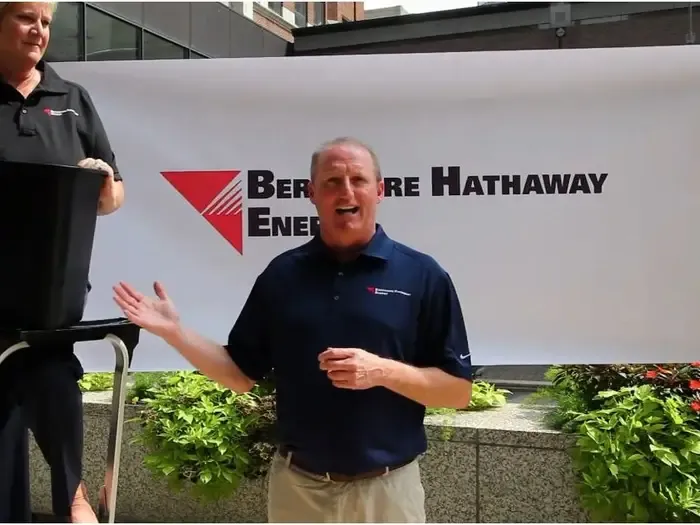
The first weekend in May has long been circled on the calendars of value investors worldwide, but this year's gathering in Omaha carries historic weight. On Saturday, May 2, 2026, Berkshire Hathaway will host its annual shareholders meeting—the first "Woodstock for Capitalists" without Warren Buffett presiding as Chief Executive Officer.
With Greg Abel having taken the reins on January 1, 2026, and Buffett transitioning to Chairman Emeritus, the market's focus shifts from the legendary investor's narrative to his successor's operational execution. Paired with the Q1 2026 earnings print (releasing at 7:00 a.m. CT), the live Q&A sessions will serve as a critical reset for how investors underwrite the conglomerate's next decade.
Here is the strategic framework for what to watch, how to interpret the numbers, and how to position Berkshire Hathaway (BRK.A, BRK.B) in your portfolio.
The New Guard Takes the Stage
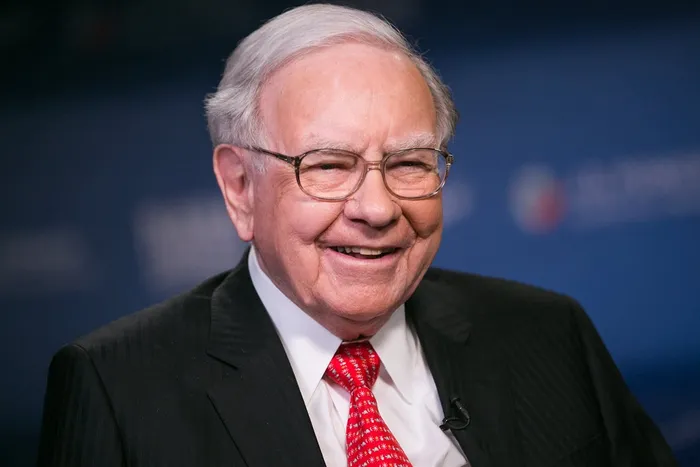
The structure of the meeting will reflect Berkshire's decentralized operational reality. Greg Abel will open with a business update at 8:30 a.m. CT (webcast on CNBC), followed by two distinct Q&A sessions:
Session 1: Abel will be joined by Ajit Jain (Vice Chairman, Insurance Operations) to address the core engine of Berkshire's capital.
Session 2: Following a break, Abel will share the stage with Adam Johnson (CEO of NetJets and President of Consumer Products, Service, and Retailing) and Katie Farmer (CEO of BNSF Railway), pivoting the focus to the broader industrial and retail subsidiaries.
For investors, the headline EPS will be secondary. The true value of the weekend lies in three core signals.
3 Signals to Watch in the Q1 Print and Live Q&A
1. Capital Deployment and the $373 Billion Cash Hoard
Berkshire exited 2025 with a staggering, record-breaking cash and Treasury bill balance of $373.3 billion. The Q1 print will reveal whether Abel is content compounding yield via T-bills or if he has begun deploying capital into a shifting market.
The Metric to Watch: Share repurchases. Buybacks resumed in March 2026; a net repurchase figure above $2 billion signals a definitive pivot toward returning capital to shareholders. A flat or token number indicates the classic Berkshire "patience playbook" remains strictly in effect.
The Yield Ratio: Watch the ratio of Treasury bills to operating cash. A stubbornly high T-bill allocation suggests management still views broad market valuations as unappealing.
2. Insurance Float and Underwriting Margins
Insurance is the funding mechanism for Berkshire's broader ecosystem. Following a tough Q4 2025—where underwriting profits contracted by 54% amid a hostile pricing environment—all eyes are on the Q1 recovery.
The Bull Case: Float growth coupled with a rebound in margins.
The Bear Case: Shrinking float and compressed margins weaken the defensive thesis of the stock.
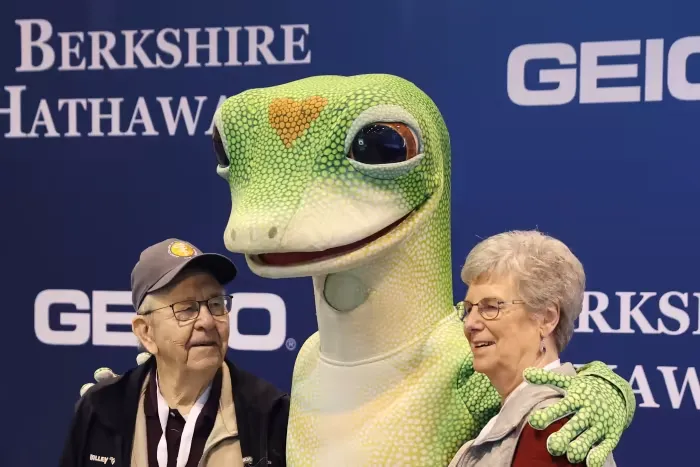
Key Indicator: Look directly at GEICO's underwriting trends. Auto insurance pricing dynamics will materialize in margins first and premium volume second, offering the cleanest read on the segment's health.
3. Equity Portfolio Rotations: Trimming the Legacy Winners
The Q4 2025 13F filings highlighted a continued strategic trimming of legacy tech and financial anchors, including a 4% reduction in Apple (AAPL) and a 9% cut to Bank of America (BAC). Conversely, the long-term commitment to Occidental Petroleum (OXY) remains firm despite recent impairment charges, while Coca-Cola (KO) continues to provide the recurring dividend cash flow Abel favors.
Portfolio Strategy: Q1 will reveal if the AAPL and BAC trims were tactical rebalancing or part of a broader exit strategy. Furthermore, any new initiations will provide the first real glimpse into Abel's appetite for fresh equity ideas, particularly regarding technology and AI-driven capital expenditures—areas where Berkshire has historically tread lightly.
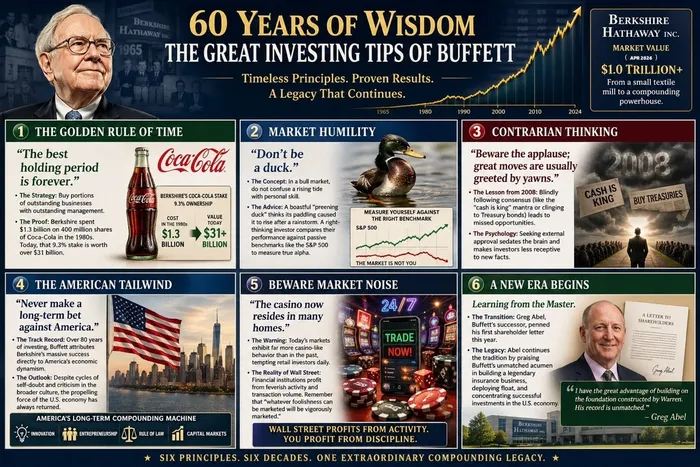
Revisiting Buffett's Investment Advice Over Past 60 Years
For the first time in over 60 years, Warren Buffett (holding 30% voting interest) will attend the annual "Woodstock for Capitalists" without serving as CEO or speaking on the schedule. As a tribute, we revisit his most prescient shareholder letters from 1965 to 2024.
Investment Takeaway: BRK.B as a Defensive Anchor
Berkshire Hathaway has historically operated as a low-beta defensive equity, uniquely insulated by its massive cash hedge. The succession from Buffett to Abel does not alter this structural reality. Abel is an operations-heavy leader who has telegraphed continuity and disciplined capital allocation rather than radical transformation.
For existing holders, the upcoming meeting is not about questioning the thesis, but evaluating position sizing. A 5% to 10% allocation to BRK.B can effectively absorb volatility from higher-beta technology or growth positions without anchoring long-term returns.
Action Plan:
Before the Saturday print, review your defensive allocations. If your portfolio is already heavily concentrated in Apple or Bank of America, remember that your indirect exposure through Berkshire is currently shrinking by design. Use this transitionary earnings report to decide whether to add, hold, or trim your position to ensure your portfolio's defensive anchor remains calibrated for the year ahead.