Belgium's Gambling Cash Flow: The 2024 Contraction and Offshore Leak
The regulated gambling market in Belgium recorded a historic reversal in 2024, with total gross gaming revenue (GGR) falling 4.86% to €1.61 billion. This marks the first full-year decline since the pandemic, ending a multi-year expansion streak. The contraction hit both segments, but land-based activity bore the brunt of the drop.
Land-based revenue plunged 7.59% to €690.41 million, while online GGR, though still the dominant channel, declined 2.7% to €919.10 million. The data reveals a broad-based retreat, with retail betting shops seeing revenue fall nearly 18% and cafés reporting losses of over 18%. This simultaneous decline across all licensed sectors signals a systemic flow reversal, not just a shift in channel preference.
The primary driver appears to be regulatory change. A study commissioned by the regulator suggests that tightened advertising rules introduced in 2023 could be fuelling an increase in offshore gaming. This regulatory shift, which also included raising the minimum gambling age to 21 and banning bonuses, coincided directly with the contraction. The evidence points to a clear mechanism: stricter rules in the legal market may have pushed player liquidity toward unregulated offshore operators, draining cash flow from the domestic sector.
The Advertising Ban's Mechanism: A Flow Diversion
The primary regulatory catalyst was a phased advertising ban that took effect in July 2023, prohibiting nearly all forms of gambling promotion across TV, radio, and digital platforms. This move, aimed at curbing problem gambling, was designed to reduce promotional-driven customer flow into the legal market. However, the ban's mechanism appears to have been partially undermined by persistent brand visibility.
A study analyzing data from January 2024 onward found that over 50% of the Belgian population still reported weekly exposure to gambling advertising, despite the legal restrictions. This suggests a significant portion of the market's promotional reach remained intact through international channels or industry workarounds. The paradox is clear: the ban reduced official advertising, but player awareness and engagement with gambling brands did not fall proportionally.
This disconnect likely contributed to the market contraction. The ban coincided with a 13.58% drop in overall offline betting revenue, a channel heavily reliant on in-person promotions and brand recognition. With the legal market's promotional engine sputtering, the data indicates a loss of customer flow that may have been diverted toward unregulated offshore operators. The evidence points to a regulatory action that, while well-intentioned, failed to fully contain the promotional momentum, inadvertently weakening the domestic licensed sector.
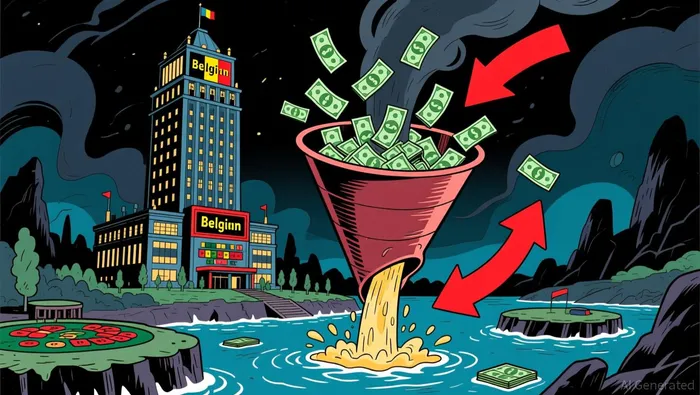
The Offshore Shift: A Critical Flow Leak
The warning from the Belgian Association of Gaming Operators about a rise in black market gambling is now backed by hard data. The market contraction in 2024, with total revenue falling 4.86% to €1.61 billion, coincides with regulatory changes that appear to have drained customer flow from the domestic system. This suggests a direct leak of capital and player attention toward unregulated offshore operators.
The steepest declines were in land-based channels, which are most vulnerable to promotional shifts. Revenue from retail betting shops fell nearly 18%, while cafés saw losses of over 18%. This collapse in physical venues, a core part of the legal market, indicates a severe loss of customer traffic that regulatory tightening may have failed to contain.
Even the dominant online segment, which still represents 57.1% of total revenue, is not immune. Online GGR declined 2.7% to €919.10 million. The fact that both online and land-based channels moved down together, despite online's resilience, points to a systemic flow diversion. The evidence shows a market where the structure remains intact but the underlying cash flow is leaking away.