Trump Ally Wants to Swap Fed Gold for 1 Million Bitcoin-A 20-Year HODL Bet on U.S. Financial Power
Why Lummis's proposal is more than a crypto headline
This proposal would push Bitcoin further into the realm of national reserve asset rather than leaving it as only a speculative trade.
Lummis's plan targets 1 million Bitcoin, or nearly 5% of the outstanding tokens, and it is tied to Trump's March 6, 2025 executive order creating a Strategic Bitcoin Reserve. That link helps explain why the idea is getting attention now: the executive branch has already moved in favor of a Bitcoin reserve, while Lummis is pushing a separate funding mechanism through Congress.
The bull case
Supporters see a major legitimacy boost. If Washington increasingly frames Bitcoin as a strategic asset, the holder base expands beyond crypto-native investors and gains a geopolitical narrative.
The bear case
Skeptics see a much harder political test. The government's known Bitcoin holdings are far below 1 million, and any gold-linked funding plan would still need to clear Congress.
For investors, the key question is whether this stays a bold talking point or becomes a real legislative agenda item in the 119th Congress.
How the funding mechanism would work
The headline is simple, but the mechanics matter more.
Why supporters think the bill has a path
Lummis's proposal would use $6 billion in remittances from reserve banks each year from 2025 to 2029 and also rely on the Fed's gold certificates to finance purchases. That framing lets supporters present the plan as a financing structure rather than a direct taxpayer-funded spending program.
The scale is still aggressive. The proposal would expand the government's holdings from about 200,000 Bitcoin toward 1 million tokens, or about 5% of the total supply. At current prices, that has been estimated at roughly $90 billion. The political pitch, though, relies on pacing the buys over five years so the plan sounds more manageable.
Why the bill could still stall
There is also a clear design split. Trump's executive order leaned on bitcoin forfeited by federal law enforcement, while Lummis's approach opens additional funding channels through the Federal Reserve system. That could make the proposal more ambitious, but it also makes it politically more complex.
Execution would matter just as much as the headline. The bill calls for purchases to move to a "decentralized network" of storage facilities, and the reserve would be held for at least 20 years. If that structure survives legislative scrutiny, the proposal becomes more than a viral narrative. If not, it may remain a political talking point.
Why the market cares-and why skepticism remains
The market already has a foothold. The real question is whether Washington becomes a durable holder of Bitcoin or simply borrows the BTC narrative for a political cycle.
Why bulls see a sentiment shift
The starting point for sentiment is not 1 million Bitcoin. It is about 328,372 BTC already owned by the U.S. government. That already makes the federal government the largest known state holder of Bitcoin, which changes the psychology of the reserve debate even before any new purchases happen.
That is why the proposal matters to the crypto crowd. Lummis's bill would still push holdings toward 1 million Bitcoin, held for at least 20 years, with purchases funded through Fed remittances and gold certificates. Even if the plan is modified or delayed, the fact that lawmakers are debating that scale suggests Bitcoin is being discussed increasingly as a strategic asset.
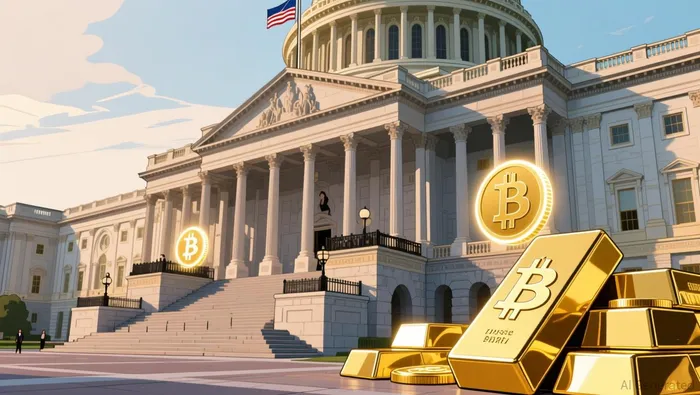
Why skeptics still doubt the thesis
Skeptics can argue that this is a big leap from forfeited bitcoin to active accumulation through Fed-linked funding. They can also point to a credibility problem around reserve optics: Lummis herself pushed back over reports the Justice Department was still selling Bitcoin tied to seized assets. If the government is still liquidating some seized bitcoin, critics will ask how confident markets should be in a long-term strategic-holding framework.
The practical takeaway
The setup breaks down into two paths:
- If policy starts matching reserve rhetoric, Bitcoin could get a stronger legitimacy premium.
- If Congress stalls or execution looks messy, the proposal may fade as another political crypto cycle.
At its core, this is less about gold and more about whether Washington becomes a committed holder of Bitcoin or just trades on the narrative.