Iran Missiles Reach Kuwait and Bahrain-Oil Jumps as Hormuz Stays Choked
Kuwait and Bahrain strikes pushed oil back into focus
Brent at $97.05 and U.S. crude at $94.77 marks a sharper reaction than a routine headline move. Both benchmarks gained about 1.1% after Iran fired missiles at Kuwait and Bahrain, bringing the crude risk premium back to the front of the market. From here, upside sensitivity remains tied to whether traffic through the Strait of Hormuz improves.
The strikes matter because the violence reached Gulf infrastructure rather than staying at the margins. Reports say the attack damaged Kuwait's airport, while U.S. forces said Iranian missiles targeted Kuwait and three missiles heading for Bahrain were intercepted. Even with intercepts limiting damage, attacks of this kind can still pressure logistics, insurance, and market confidence.
Diplomacy has not yet looked like a clean de-escalation signal. Tehran has reportedly not communicated with Washington for several days, even as U.S. officials say talks continue. More important for oil, ANZ said Iran has mined large portions of the Strait of Hormuz and that total transits remain significantly below pre-conflict levels. If the chokepoint stays constrained, the market has little reason to drop the scarcity premium.
Strait of Hormuz traffic, not missile headlines, is the main price driver
The missile strikes captured attention, but the Hormuz flow deficit is what keeps the premium alive.
Why intercepted missiles can still coincide with higher oil
Interceptors may reduce physical damage, but they do not restore commercial shipping. Data showed at least seven ships in the past 24 hours, which Reuters described as muted activity in recent days. That is the key market signal: even if individual attacks are contained, thin transit rates still suggest the Gulf cannot move cargo normally.
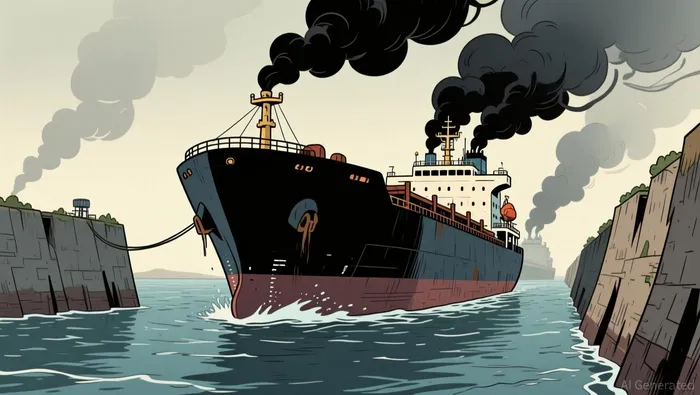
Before the war, the Strait of Hormuz handled an average of 140 daily passages. Current traffic remains only a fraction of that level. When normal flow breaks, oil pricing becomes less about one damaged facility or one intercepted missile and more about stranded product, added scheduling risk, and how long it takes tankers to clear the waterway.
Containment helps tactically, but throughput remains the problem
Bears can argue that intercepted missiles show the region is being contained, which should limit crude upside. That is a reasonable tactical read, but it misses the commercial bottleneck.
The more durable bull case is tied to movement-or the lack of it. Iran says it will not consider opening the strait until the U.S. lifts its blockade. Washington has been confronting Iranian vessels in international waters to enforce that blockade, and Iran claimed to have captured two container ships trying to leave the Gulf. In other words, the chokepoint is not only quieter than normal; it is still an active enforcement zone.
Markets usually price scarcity before they price headlines. If traffic stays near single-digit daily transits instead of returning anywhere close to normal, crude will remain vulnerable to fresh shocks.
What would ease the trade
The rally can cool only if flow improves, not merely if air defenses perform well. Watch for:
- Daily passages rising decisively above current thin levels, not just in one busy day.
- Fewer captures, boardings, or damage incidents in the strait.
- Insurance, pilotage, and scheduling conditions moving back toward normal.
- Diplomatic progress that leads to actual recovery in transits.
Until then, Hormuz remains the main driver of oil prices.
Inventories and flow data will test how durable the premium is
The next hard test is physical, not rhetorical. U.S. crude inventories just fell by 6.8 million barrels, and the next report should show whether that draw is holding. Another decline would support the view that tight supplies are helping keep oil elevated; a build would make the current premium harder to defend.
Why the market is still leaning toward scarcity
The market is still reacting to a conflict that effectively closed the Strait of Hormuz and pushed crude prices higher. At the same time, Gulf infrastructure is absorbing a new risk premium after an Iranian attack damaged Kuwait's airport. That makes this a flow-and-confidence trade, not just a passing headline reaction.
What would weaken the rally
The clearest bearish signal is not better air defense. It is better shipping flow, fewer enforcement confrontations, and inventory data that stops reinforcing scarcity. If those signals improve together, the market will have a stronger case for rolling back the war premium.