Iran's First Missile Strike Since April Ceasefire Just Reopened the Oil Shock Trade
Oil reacted before damage reports because the choke-point risk returned
The first signal was in crude. Iran launched missiles at Israel in the first such bombardment since a fragile ceasefire took effect in early April, and prices moved toward a wider Gulf supply-disruption scenario rather than waiting for confirmed outages.
Brent stayed elevated, not just spiked
Earlier this week, Brent futures rose to $97.05 a barrel and WTI settled at $94.77 after hostilities flared again. By Thursday, Brent was at $97.14 a barrel and WTI was at $95.4. The premium did not disappear with the next session.
Why traders are still focused on Hormuz
Reuters described the Strait of Hormuz shut as part of the biggest disruption to global supplies ever. Even after de-escalation headlines, the market kept that risk premium in place because the choke point remains the real transmission channel to crude.
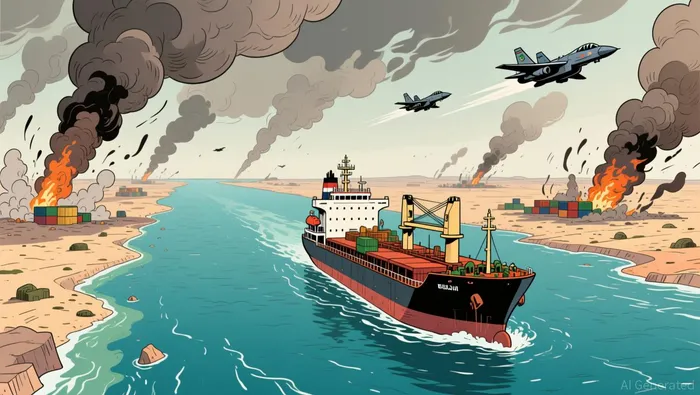
The flare-up spread beyond the Iran-Israel exchange
The immediate danger is not only the missile strike itself. It is whether the conflict keeps touching shipping, Gulf infrastructure, and U.S. forces.
Attacks on Kuwait, Bahrain, and Hormuz traffic widened the risk
U.S. forces shot down two Iranian drones that were threatening maritime traffic in the Strait of Hormuz. Reuters also reported that an Iranian drone and missile attack on Kuwait damaged facilities at Kuwait International Airport, while missiles aimed at Bahrain were intercepted and U.S. forces struck back near Qeshm Island. That chain shows how quickly a bilateral exchange can spill into the wider Gulf.
Diplomatic friction is still keeping the premium alive
Israel said its fire on Iran is "on hold", but also said troops would continue operating in Lebanon against Hezbollah. Iran blamed Israel's operations in Lebanon and warned of harsher action if those attacks continue. That keeps the trigger list visible for markets.
In Washington-Tehran talks, Reuters described U.S.-Iran peace talks stalled earlier this week, and a market commentator said conditions looked more precarious as ceasefire-related bets were unwound. The evidence supports a stalled, fragile diplomatic backdrop; it does not prove a specific monetary sticking point has been resolved.
What would expand the premium - and what would weaken it
With Brent trading at $97.14 a barrel and U.S.-Iran peace talks stalled earlier this week, the market is still pricing disruption risk, not just one headline.
What to watch next
- Further attacks on Gulf states or shipping near Hormuz
- Any sign that talks are moving from stalled to actionable
- Evidence that Hormuz transits are improving rather than staying suppressed
What would invalidate the near-term oil-shock view
The premium starts to lose force only if violence narrows, Hormuz risk eases, and diplomacy shows real progress. Until then, pullbacks in crude look more like breathing room than a cleared threat.