Mbappé Blocks France Bookie Ad Days Before World Cup-FFF Revenue at Risk
Why the Betclic ad became a pre-tournament problem for France
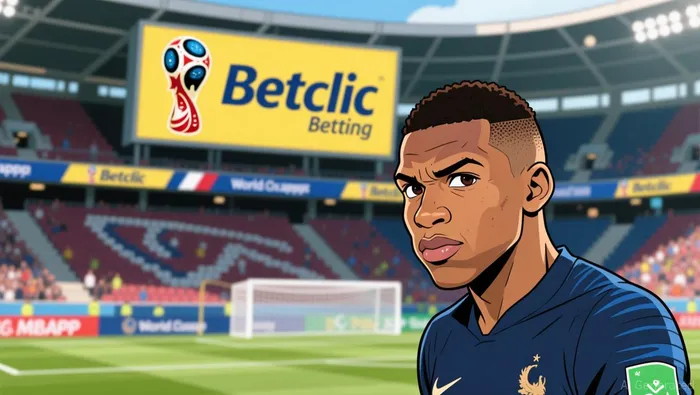
This is no longer just an image-rights spat. It is a commercial dispute inside France's national-team sponsorship setup at an awkward moment. Five players-Mbappé, Cherki, Doué, Olise, and Dembélé-are contesting a Betclic ad that used footage from a June 2 commercial shoot and was published online on the evening of June 4, a few days before France's 2026 World Cup debut.
The core issue is control. The players say they were not informed beforehand and that Betclic used their images after a team photoshoot. At the same time, reports say Betclic was acting as an official partner of the FFF and had contractual grounds to use the images during partner activities. That makes this less about one advertiser and more about who controls which brands can attach to players' images.
Mbappé had already threatened to skip the photo session over image-rights terms, and the federation responded by saying it would revise the relevant agreement. The broader point is that the commercial setup remains contested at a time when France would ideally want focus on the pitch.
The 2010 image-rights deal is the real flashpoint
This dispute is really about how France monetizes player image rights and who gets decision-making power. The current setup still runs on a collective agreement dating back to 2010. Under that deal, players take part in marketing operations and receive €25,000/$25,000 per international match. For most players, that is meaningful money. For high-profile stars, though, it is still a flat fee rather than real control over how their image is used commercially.
The federation views the package as a collective asset: the national team sells sponsor inventory, players appear in materials, and the federation manages the broader commercial relationship. Players, meanwhile, often see a different balance: their faces carry much of the appeal, yet they have limited say over which categories are linked to them.
Why betting keeps becoming the trigger
Betting sits at the center because it is a high-spending sponsor category and because conflicts with players' personal deals tend to show up most clearly there. Players increasingly want a say on which sponsors appear with them, especially in betting. That helps explain why this fight keeps resurfacing rather than staying confined to one ad or one player.
Why this matters beyond one campaign
This was not a brand-new argument. It flared during the 2022 World Cup buildup, when Mbappé refused to participate in sponsor activities over the same image-rights framework. The fact that it is back ahead of the 2026 tournament suggests the underlying commercial model still has not been fully resolved.
What is at stake for the FFF, FIFA, and betting sponsors
The dispute also lands against a wider backdrop of betting-related monetization in football. FIFA has added another gambling industry sponsor to the 2026 World Cup cycle in a tournament expected to generate more than $11 billion in revenue for the sport's governing body. In that context, national-team sponsor inventory is more valuable, but also more exposed, when players challenge how brands can use their images.
If a betting ad can be contested a few days before France's debut, the practical risk for federations is clearer: sponsor value is not just about securing rights on paper. It also depends on smooth execution when player consent, category preferences, and federation contracts do not line up.
The immediate commercial risk for France
The FFF already said it would revise, as soon as possible, the agreement on image rights, but the current dispute shows that promise did not settle the issue. As long as players can push back against specific sponsor categories, federation commercial packages carry more execution risk than a simple cash-for-access model suggests.
Mbappé's influence still matters commercially
Mbappé has pressed for a say on which sponsors linked to players during international duty, and the latest fight involves five France national team players contesting the use of their images. That does not prove lasting damage to France's commercial revenue, but it does show why betting partners and federations need to pay closer attention to consent, category controls, and timing.
When this stays a headline versus when it becomes a commercial problem
If the dispute remains confined to this ad and does not spread to other sponsors or campaigns, it may fade as a tournament-era controversy. If similar challenges multiply, however, they could make betting-heavy sponsorship models harder to execute cleanly around major national teams.