The Iran Deal Headline Is a Trap - Here's What Actually Changes Your Portfolio
A senior U.S. official says the odds of a U.S.-Iran deal are 80 to 85 percent. Prediction markets, which have no incentive to sound optimistic, price it closer to 55 percent.
That gap is the whole story.
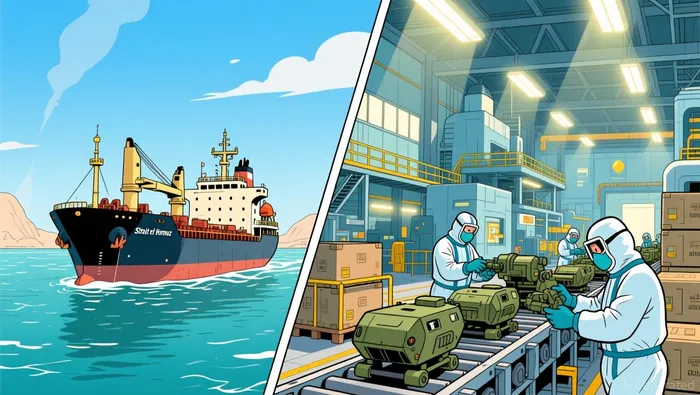
The headline reads like risk-off relief. Oil has fallen roughly 15 percent from its May peak - Brent is around $90, WTI near $87.50, down sharply after Trump cancelled a planned strike on Iran on June 12. On June 9, oil already dropped 3 percent to a seven-week low when Israel and Iran agreed to halt attacks. Iranian state media reported a proposed peace deal that could reopen the Strait of Hormuz, and the market priced that news instantly.
But here's the thing: a deal, if it lands, doesn't reset the regime. It changes it. And the change matters far more for what you own than for whether you own it.
I don't think the question is whether a deal is likely. The question is what a deal actually does to cash flows, pricing power, and the structural forces that drive dividend growth through cycles. Because those are the only variables that compound your income.
1. The oil relief is real - and temporary
Yes, the Strait of Hormuz has been closed since Iran announced the blockade in June. Roughly 20 percent of the world's oil supply transits through it. A reopening removes a massive supply choke point, and oil prices reflected that within hours.
But the structural picture underneath is different. Iran's own production and export infrastructure has been damaged. The war cost an estimated $2 billion per day, and a UN Development Programme study estimated it could reduce economic growth in Arab nations by $120 to $194 billion in GDP. That's the kind of damage that takes years, not weeks, to repair.
From an income and risk/reward point of view, this means: the oil supply curve is structurally tighter than it was twelve months ago, regardless of whether this deal holds. OPEC+ spare capacity is stretched. Non-OPEC growth from the U.S. and Guyana is real but not infinite. If inflation runs at 3-4 percent rather than returning to 2 percent - and I believe that's the more likely path given deglobalization, energy transition costs, and fiscal dominance - then the energy sector retains its inflation-hedge character even after a deal.
Energy companies with volume-based revenue models and toll-road infrastructure - midstream pipelines, processing facilities - don't need oil at $120 to grow dividends. They need volumes flowing. A deal restores volumes. That's the mechanism.
2. Defense spending isn't going anywhere - and that's the contradiction
This is where the market's reflex reaction becomes a mistake. The instinct when geopolitical tension cools is to rotate out of defense. But the evidence says the opposite should hold for the next three to five years.
Here's the fact the headline obscures: CSIS analysis published in late May found that U.S. military contractors will need at least three years to replenish stockpiles of three key weapons systems used in the Iran conflict. Some estimates push replenishment timelines to 2030 or 2031. That creates what analysts are calling a "window of vulnerability" - and what defense contractors will call multi-year backlog.
The war consumed munitions at a rate the U.S. defense industrial base was not built to sustain. The Pentagon now faces a replenishment cycle that is structurally mandatory, not discretionary. A ceasefire doesn't cancel that requirement. It just shifts the spending from wartime emergency procurement to multi-year reconstruction backlog. The budget line item stays.
This matters because defense contractors with oligopolistic positioning - the companies that build things the government has no alternative supplier for - are going to see order books that extend well beyond this news cycle. That's pricing power. That's the moat. That's the kind of cash flow visibility that supports dividend growth.
The market treats the Iran headline as binary: deal means sell defense. The reality is that deal means defense spending becomes locked in for structural reasons, not cyclical ones. That's the difference between a trade and a compounder.
3. The deal itself may not hold - and that's not the risk you should fear
Iran rejected the U.S. proposal on June 9 and announced it would present a counteroffer through Omani mediators. The April ceasefire mediated by Pakistan has already faltered multiple times. Israel and Iran halted attacks in early June but neither side has acknowledged a formal ceasefire.
Prediction markets tell the honest story. They hit 85 percent when deal optimism peaked, then fell back to roughly 54.5 percent as the mechanics of the negotiation grew more complicated. That's not a bet against peace. It's a bet against a clean, quick resolution.
I don't think deal failure is the base case portfolio risk. The bigger risk is a deal that holds on paper but doesn't resolve the underlying structural tensions - the Strait of Hormuz reopens, then closes again. Oil prices stabilize, then spike. That creates the exact environment where companies with pricing power and balance-sheet strength compound while the rest chase headlines.
This is not a bet on one event. It's a bet on the characteristics that survive any outcome: revenue that flows regardless of geopolitics, costs that can be passed through to customers, and dividends backed by free cash flow, not accounting optimism.
What this means for your portfolio
The Iran deal headline creates a false binary. Investors rush to decide whether to celebrate or panic. The rational move is different.
Energy - specifically midstream and infrastructure companies with toll-road business models - benefits from restored volumes without needing oil at crisis prices. These are companies whose pipelines and processing facilities earn fees on throughput. They pass through inflation. They compound dividends.
Defense - the mission-critical manufacturers with irreplaceable contracts - benefits from a replenishment cycle that extends to 2030 or beyond. A ceasefire doesn't erase the $2-billion-per-day munitions deficit. It just changes the procurement schedule.
The equity yield curve still points to the same sweet spot: moderate yields with strong growth, bought when cyclical or geopolitical events temporarily inflate the discount. The Iran headline creates that temporary dislocation. The replenishment cycle guarantees the structural tailwind.
I believe the regime shift is real: structurally tighter energy supply, multi-year defense spending floors, and inflation that may well run above traditional targets. A U.S.-Iran deal, if it lands, doesn't undo any of that. It just removes the immediate crisis premium.
That's not a reason to sit on the sidelines. It's a reason to own the right businesses at the right prices. The compounding math doesn't care about headlines. It cares about pricing power, balance-sheet strength, and whether the dividend can grow faster than inflation for the next twenty years.
The 80 to 85 percent figure is political signaling. The 55 percent prediction market price is closer to reality. But neither number determines your portfolio. What determines your portfolio is whether the companies you own can raise prices without losing customers, survive a cycle without cutting payouts, and compound income when the market is too busy watching the next headline to notice.